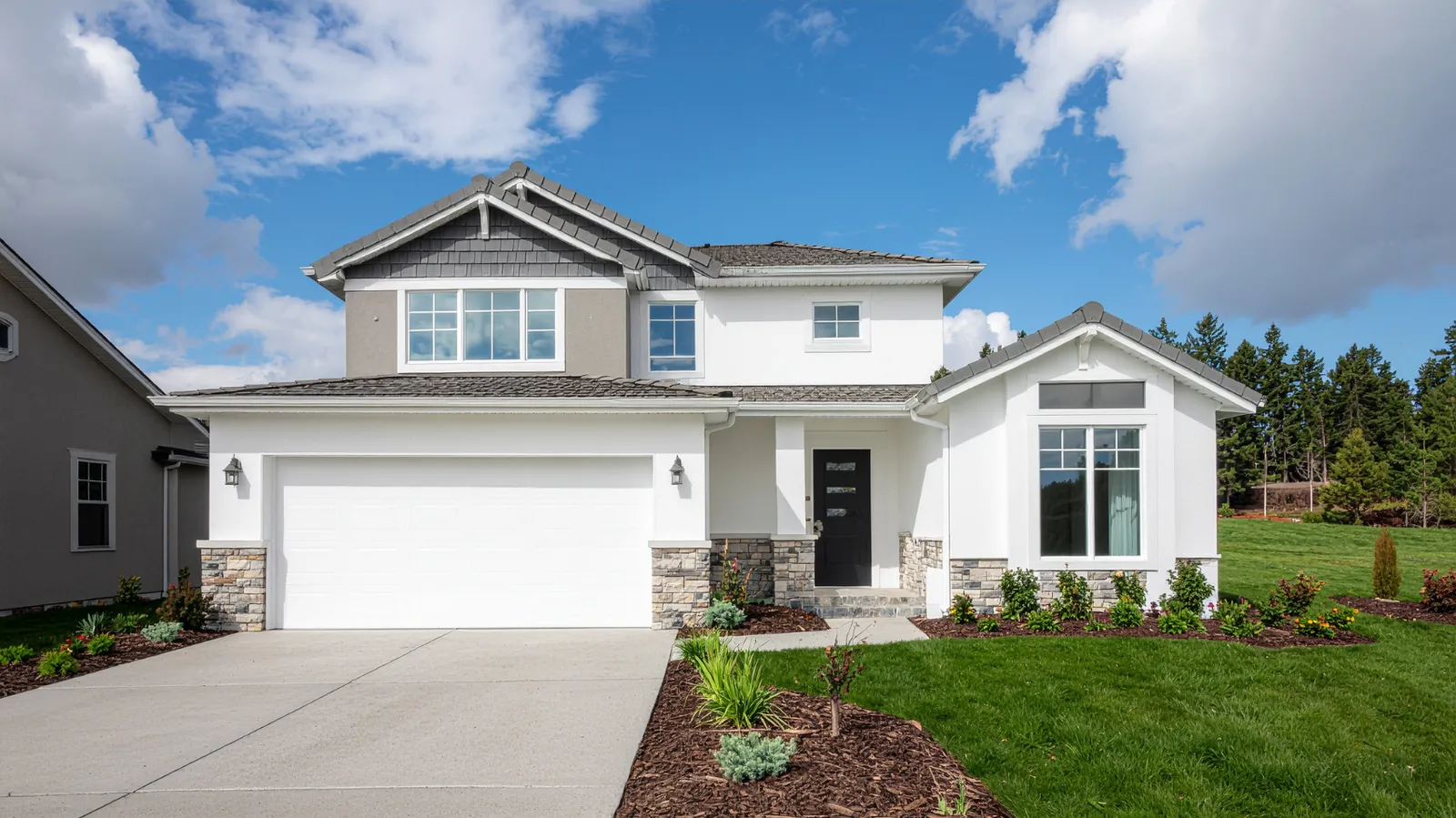
Roofing Warranty Guide for Broken Arrow, OK
A new roof carries two warranties, and the one you were sold on isn't always the one that answers. You can send the address and whatever paperwork you were handed without agreeing to anything, and our roofers look at the roof itself before you sign.
Two warranties come with a new roof, from two different companies.
You're holding a contract, or about to be handed one, and the word warranty is doing a lot of work in the conversation around it. Ask Broken Arrow Roofing Co which of the two documents covers what you're worried about, and you'll know before you sign which company would be answering for it.
The common one around here is a roof that got a second layer laid straight over the first. The shingles are newer than the house and the brochure still promises a lifetime, which on a shingle only ever meant full value for an opening window, and the material coverage got cut back the day that layover went on. Our roofers say so when they find it, and they'll say it the other way too, when the coverage you've already got covers the thing you were about to pay for.
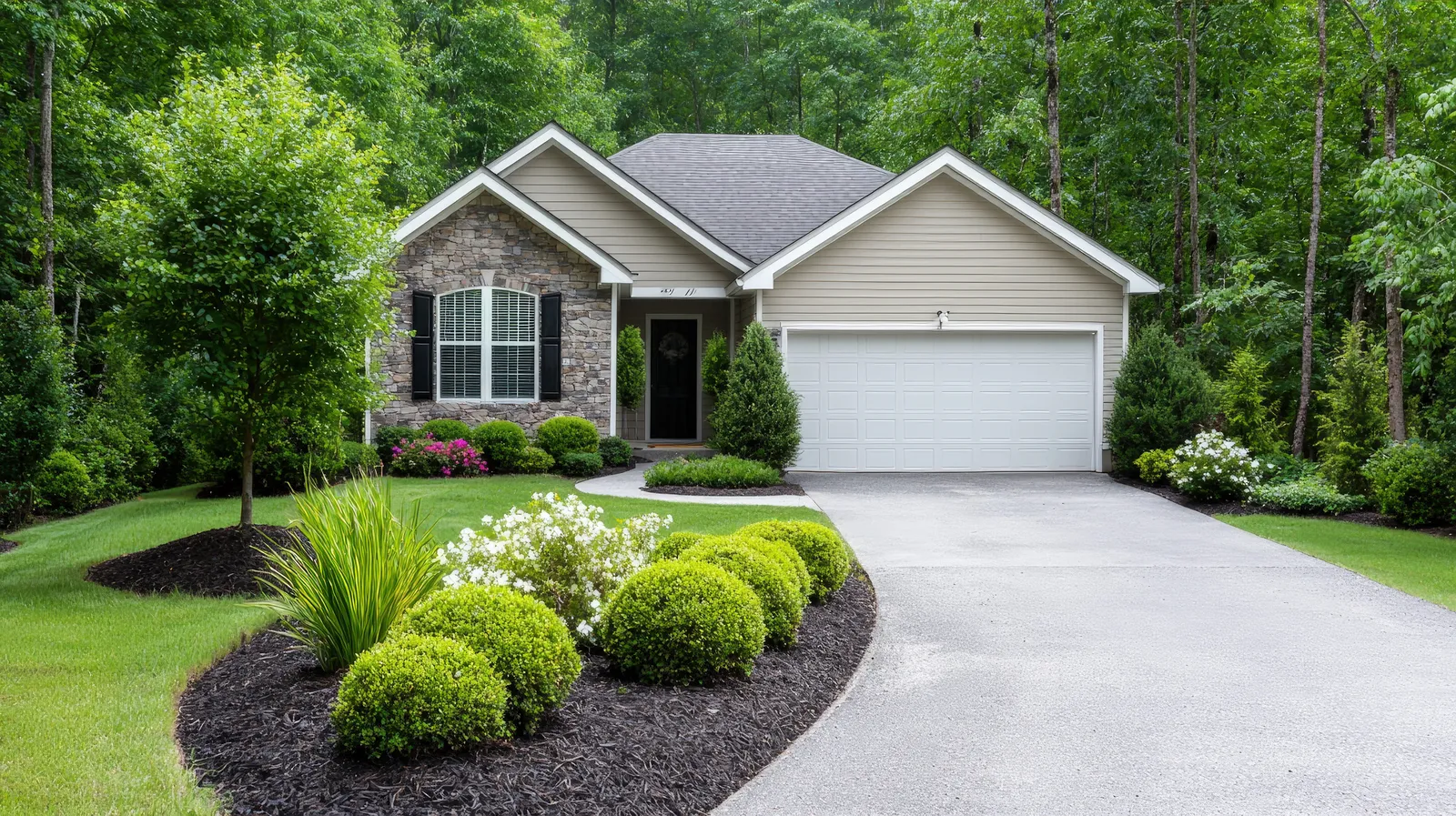
One roof, two documents, and they answer for different things.
Hail and wind aren't in these rows, and that's deliberate: storm damage is an insurance matter, and neither document pays for it.
Terms move by product and by roofer, so the only document that binds anybody is the one in your hand.
Where Broken Arrow warranty coverage quietly stops short
Almost everything that ends coverage happens while the work's going on, or in the years after it, and none of it is weather. These are the gaps our roofers turn up on roofs that somebody was told were fully covered.
- A second layer over the first: Broken Arrow builds to the 2018 residential code, which stops a house at two layers of shingle, and that second layer is also what shortens most material coverage or ends it outright while hiding the deck from anybody who looks later.
- Nailing nobody ever sees: the material side answers for the shingle itself, while the fastening pattern underneath belongs to the workmanship document, and that's what tends to leak first on a roof only a few years old.
- An attic that can't breathe: trapped heat cooks shingles from below and most material coverage excludes heat damage outright, so attic ventilation is one of the few things you can check from inside the house.
- Parts from more than one maker: makers write the upgraded coverage for a roof built out of one approved list, and swapping in somebody else's underlayment or ridge cap drops you back to the basic version.
- Anything bolted on afterward: a satellite mount or a solar rail is a fresh hole cut through covered work by somebody who's got no stake in the coverage.
- A job with a thin file: what a manufacturer asks for at claim time is the record made while the work was happening, and none of it can be reconstructed afterward from the roof itself.
- Registration nobody filed: makers usually hold the longer term for roofs logged with them within weeks of the last shingle, so an unregistered roof isn't bare; it's carrying the basic coverage instead.
Your roofer and the maker decide nearly all of that while the work is still going on, which is why your roofer photographs the slope in question and leaves you the frames along with the estimate. Keep those with the registration confirmation and the city's permit file at Broken Arrow City Hall on South First Street, because years from now a maker weighing a claim, or a buyer's inspector, works from those documents and nothing else.
What a Broken Arrow warranty covers before you sign
These come up on nearly every warranty conversation in Broken Arrow, and where the only authority is the document in your own hand, the answer says so.
Q1Whose warranty is it, if Broken Arrow Roofing Co isn't the one signing?
Q2Hail cracked my shingles. Is that a warranty claim?
Q3My paperwork says lifetime. What does that cover?
Q4My roofer went out of business. What survives?
Q5Who registers the roof with the manufacturer?
Q6Does the warranty transfer when I sell the house?
Get the warranty terms for your Broken Arrow roof
Our roofers go up and see the roof for themselves before any of this is promised, then name the material terms and their own workmanship terms next to the price. You'll have both documents in hand, and you can think it over from there.